Предмет: Английский язык,
автор: mirosnikmargarita275
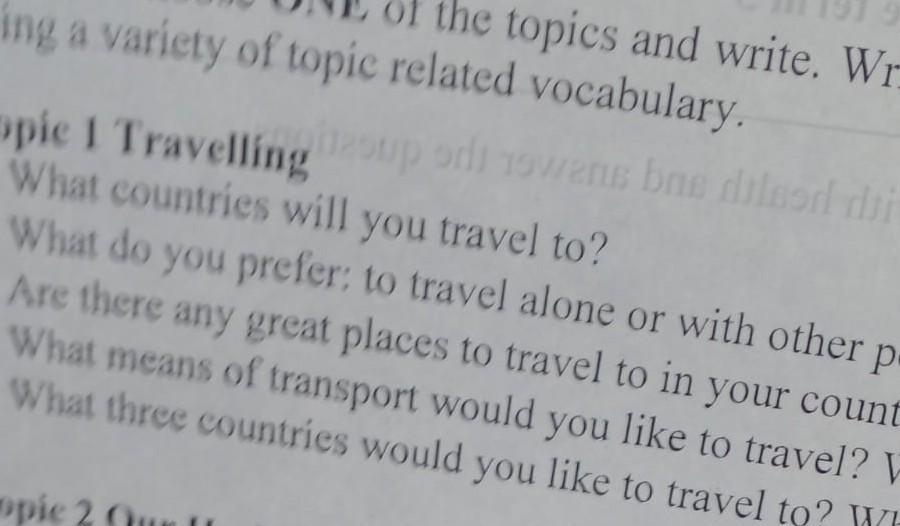
Можно про япониюююю пожайлустааа
Приложения:
Ответы
Автор ответа:
0
There is something about Japan that fascinates me. Perhaps it is the rich culture and history, the unique food, or the stunning natural beauty. Whatever it is, I am drawn to this country, and I long to visit it someday.
One thing that I admire about Japan is its deep respect for tradition. From the intricate tea ceremonies to the graceful movements of the traditional dance, there is a sense of reverence for the past that is deeply ingrained in Japanese culture. I am particularly interested in the art of origami and the traditional Japanese pottery known as "raku." I would love to witness these crafts firsthand and learn from the skilled artisans who practice them.
Another reason why I want to visit Japan is for its food. Sushi, ramen, udon, tempura - the list of mouth-watering dishes goes on and on. I have heard that the ingredients used in Japanese cuisine are of the highest quality, and that the preparation of the food is treated as an art form. I am excited to try new dishes and explore the vibrant food scene.
One thing that I admire about Japan is its deep respect for tradition. From the intricate tea ceremonies to the graceful movements of the traditional dance, there is a sense of reverence for the past that is deeply ingrained in Japanese culture. I am particularly interested in the art of origami and the traditional Japanese pottery known as "raku." I would love to witness these crafts firsthand and learn from the skilled artisans who practice them.
Another reason why I want to visit Japan is for its food. Sushi, ramen, udon, tempura - the list of mouth-watering dishes goes on and on. I have heard that the ingredients used in Japanese cuisine are of the highest quality, and that the preparation of the food is treated as an art form. I am excited to try new dishes and explore the vibrant food scene.
Похожие вопросы
Предмет: Информатика,
автор: ivanus585
Предмет: Геометрия,
автор: pisna4842
Предмет: Другие предметы,
автор: tanapilipec62
Предмет: Информатика,
автор: sonastaroverova892